
 Σχετικά
Shanghai MSD’s Double Wall Fabric: Thermal Insulation & Durability
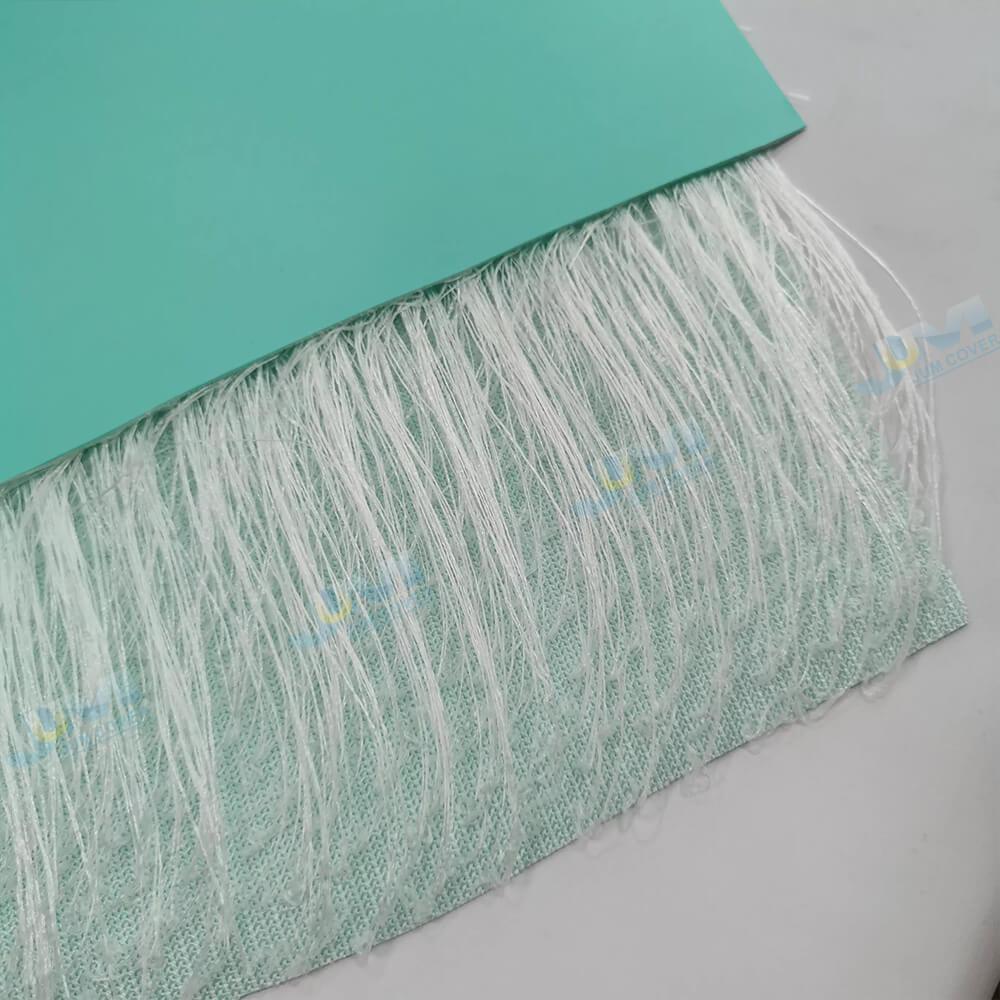
Double Wall Fabric is a revolutionary material that has gained significant traction across various industries due to its unique properties, exceptional performance, and versatility. This fabric, which consists of two layers of woven or knitted materials, provides superior insulation, strength, and durability. In this article, we will explore the key characteristics, processing techniques, specific performance features, and primary applications of double wall fabric, shedding light on why it has become an ideal choice for many industries. Additionally, we'll delve into the rigorous testing methods used to ensure the fabric's high standards of performance and reliability. Throughout the article, we will highlight Shanghai Misda International Trading Co.'s contributions to the market and its role in providing high-quality double wall fabric solutions.
Characteristics of Double Wall Fabric
Double wall fabric stands out due to its exceptional combination of structural and functional properties. The primary characteristic of this fabric is its two-layer construction, which not only enhances its physical strength but also provides additional insulation. The inner and outer layers are typically designed with different weaves, offering distinct properties such as moisture resistance, flexibility, and breathability.
-
Insulation Properties: One of the standout features of double wall fabric is its ability to provide excellent insulation. The air trapped between the two layers acts as a thermal barrier, keeping the fabric warm in colder conditions while allowing for ventilation in warmer environments. This makes double wall fabric an ideal choice for applications that require temperature regulation, such as outdoor clothing, tents, and industrial insulation.
-
Durability and Strength: The dual-layer construction of this fabric gives it enhanced tensile strength, making it highly durable and resistant to wear and tear. The outer layer is typically designed to withstand harsh weather conditions, including UV radiation, wind, and rain, while the inner layer provides structural stability and comfort.
-
Breathability: Despite its insulation properties, double wall fabric remains breathable, allowing for effective moisture wicking and ventilation. This is a critical feature in applications such as outdoor sportswear, where moisture management is key to ensuring comfort and performance.
-
Flexibility: The fabric is lightweight and flexible, making it easy to handle and process. Its ability to stretch and conform to different shapes makes it suitable for a wide variety of applications, from clothing to industrial uses.
-
Water and Stain Resistance: Many double wall fabrics are treated with special coatings that make them resistant to water and stains, providing added protection in environments where exposure to liquids is a concern. This property is particularly valuable in outdoor gear and technical textiles.
Processing Techniques for Double Wall Fabric
The production of double wall fabric involves advanced weaving and knitting techniques that ensure the final product meets the specific requirements for strength, durability, and comfort. The process begins with the careful selection of yarns, which are chosen based on the intended application of the fabric.
-
Weaving: Double wall fabric is commonly woven using a variety of techniques, including plain weave, twill weave, or satin weave, depending on the desired texture and properties. The two layers of fabric are woven together in a way that ensures a consistent gap between the inner and outer layers, which helps trap air and provide insulation. The yarns used for the outer layer are typically thicker and stronger, while the inner layer is softer and more flexible.
-
Knitting: In some cases, double wall fabric is produced using knitting techniques. Knitted fabrics provide added stretch and flexibility compared to woven fabrics, making them ideal for applications that require movement and comfort. The inner and outer layers of knitted double wall fabric are often constructed using different types of yarns, with the inner layer being made of softer, more breathable fibers, while the outer layer is typically made of stronger, more durable materials.
-
Coating and Finishing: To enhance the performance of double wall fabric, various coatings and finishes are applied. For example, water-resistant coatings can be added to the outer layer to prevent water penetration, while anti-microbial treatments can be applied to prevent the growth of bacteria and fungi. Additionally, UV-resistant coatings are used to protect the fabric from sun damage, which is particularly important in outdoor applications.
Applications of Double Wall Fabric
Double wall fabric is used in a wide range of industries due to its unique properties. The versatility of the material makes it ideal for both functional and aesthetic applications across different sectors.
-
Outdoor Gear and Clothing: Double wall fabric is widely used in the production of outdoor clothing, including jackets, pants, and outerwear. The fabric’s excellent insulation properties help keep the wearer warm in cold conditions, while its breathability ensures moisture is wicked away from the body. The durability and water resistance of the fabric also make it an excellent choice for outdoor gear such as tents, backpacks, and sleeping bags.
-
Automotive Industry: In the automotive sector, double wall fabric is used for various applications, including upholstery, seat covers, and protective coverings. The fabric's strength and ability to withstand wear and tear make it ideal for use in high-traffic areas, while its insulation properties provide added comfort for passengers. Double wall fabric is also used in automotive insulation to reduce noise and improve thermal efficiency.
-
Home Furnishings: Double wall fabric is commonly used in home furnishings, including upholstery, curtains, and blinds. The fabric’s durability and versatility make it an ideal choice for both functional and decorative applications. Its ability to block sunlight while allowing for ventilation makes it suitable for window coverings, while its strength ensures long-lasting performance.
-
Industrial Applications: In industrial settings, double wall fabric is used for protective covers, tarps, and liners. The fabric’s durability, weather resistance, and strength make it suitable for applications where exposure to harsh environments is a concern. Double wall fabric is also used in the construction of scaffolding covers and temporary shelters, providing protection from wind, rain, and UV radiation.
-
Medical Textiles: Double wall fabric is increasingly being used in medical textiles, such as wound dressings, surgical gowns, and hospital bedding. The fabric’s breathability, moisture-wicking properties, and comfort make it ideal for use in medical environments where patient care and hygiene are critical.
Performance Testing of Double Wall Fabric
To ensure the high performance and durability of double wall fabric, several testing methods are used to assess its physical properties. These tests include:
-
Tensile Strength Test: This test measures the fabric’s resistance to breaking under tension, ensuring that it can withstand mechanical stress without tearing or deforming.
-
Water Resistance Test: This test assesses the fabric’s ability to repel water, ensuring that it can effectively protect the wearer or the equipment from water exposure.
-
Abrasion Resistance Test: This test evaluates the fabric’s durability under repeated friction, making it ideal for assessing the fabric’s performance in high-wear applications such as outdoor gear or automotive upholstery.
-
UV Resistance Test: This test measures the fabric's ability to resist damage caused by UV radiation, which is crucial for applications exposed to sunlight, such as outdoor clothing and automotive interiors.
-
Breathability Test: This test assesses the fabric’s moisture-wicking properties, ensuring that it can effectively transport sweat away from the body, keeping the wearer comfortable during physical activity.
Double wall fabric offers a unique combination of insulation, durability, and breathability, making it an ideal material for a wide range of applications, from outdoor gear and medical textiles to automotive and industrial uses. The advanced processing techniques and thorough testing methods ensure that the fabric meets high standards of performance and reliability. To learn more about why double wall fabric is an ideal choice for various applications, visit https://www.shanghaimsd.com/news/why-is-double-wall-fabric-an-ideal-choice-for-multiple-applications.html .

 English
 Arabic
 French
 Spanish
 Portuguese
 Deutsch
 Turkish
 Dutch
Dutch
 Italiano
 Russian
 Romaian
 Portuguese (Brazil)