
 About
About
Fleece Fabric: The Complete Guide to Types, Uses, Benefits, and Care
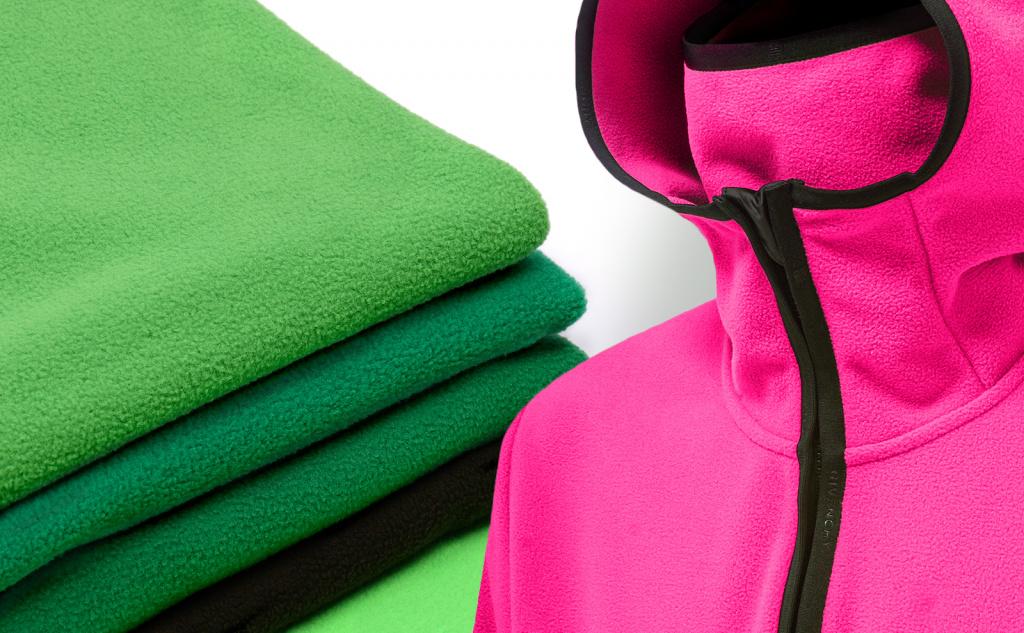
Introduction to Fleece Fabric
Fleece fabric stands as one of the most versatile, lightweight, and high-performance textiles in modern apparel and home design. We recognize fleece as a synthetic knit fabric engineered to deliver exceptional warmth without the weight of traditional wool. Its soft texture, insulating properties, moisture resistance, and breathability have positioned it as a dominant material in outdoor wear, athletic apparel, blankets, and everyday garments.
Developed as a high-performance alternative to wool, fleece offers superior durability while maintaining comfort and flexibility. Today, it remains an essential textile for manufacturers, coral fleece material, designers, and consumers who demand functionality and style combined.
What Is Fleece Fabric Made Of?
Fleece fabric is primarily made from polyester fibers. These fibers are derived from polyethylene terephthalate (PET), the same material used in plastic bottles. Through advanced textile processing, these fibers are spun into yarn, knitted into fabric, and brushed to create the signature soft nap that traps air and provides insulation.
We also see eco-conscious innovations such as:
-
Recycled fleece fabric made from post-consumer plastic bottles
-
Blended fleece combining polyester with cotton or spandex
-
Microfleece variations engineered for lightweight performance
The brushed surface creates loft, forming tiny air pockets that retain body heat efficiently while allowing moisture to evaporate.
Types of Fleece Fabric
Understanding the different types of fleece fabric helps in selecting the right material for specific applications.
1. Polar Fleece
Polar fleece is the most common and widely recognized variety. Known for its medium weight and warmth, it offers excellent insulation while remaining breathable. It is frequently used in jackets, sweatshirts, and winter accessories.
2. Microfleece
Microfleece is thinner and lighter than standard fleece. It provides warmth without bulk, making it ideal for base layers, athletic wear, and layering garments.
3. Sherpa Fleece
Sherpa fleece mimics the texture of sheep’s wool. It features a thick, fluffy pile that enhances insulation and comfort. We often see it used as lining in jackets and blankets.
4. Coral Fleece
Coral fleece is extremely soft and plush. It is commonly used in luxury blankets, robes, and baby products due to its gentle texture.
5. French Terry Fleece
French terry fleece features loops on one side and a soft surface on the other. It is lighter and more breathable, frequently used in loungewear and sweatshirts.
6. Anti-Pill Fleece
Anti-pill fleece undergoes special treatment to prevent fabric bobbling after repeated washing, making it ideal for long-lasting garments.
Key Characteristics of Fleece Fabric
We value fleece fabric for its exceptional performance features:
-
Lightweight insulation
-
Moisture-wicking properties
-
Quick-drying capability
-
Breathability
-
Soft texture
-
Durability
-
Wrinkle resistance
-
Easy maintenance
Unlike wool, fleece does not absorb water easily. Instead, it repels moisture while maintaining warmth, even in damp conditions.
Advantages of Fleece Fabric
Superior Warmth Without Weight
Fleece traps heat efficiently due to its brushed surface structure. It provides insulation comparable to wool but remains significantly lighter.
Quick Drying Performance
Because fleece is made of synthetic fibers, it dries rapidly. This makes it ideal for outdoor activities and athletic wear.
Low Maintenance and Easy Care
Fleece fabric requires minimal care. It is machine washable, resistant to shrinkage, and does not wrinkle easily.
Cost-Effective Alternative to Wool
Fleece offers the warmth and comfort of wool at a fraction of the cost, making it widely accessible.
Hypoallergenic Properties
Unlike natural wool, fleece does not irritate sensitive skin, making it suitable for children and individuals with allergies.
Common Uses of Fleece Fabric
Fleece fabric is extensively used across multiple industries due to its versatility.
1. Apparel and Fashion
We frequently see fleece in:
-
Jackets
-
Hoodies
-
Sweatshirts
-
Gloves
-
Hats
-
Scarves
-
Pajamas
Its flexibility and stretch make it suitable for both casual and performance clothing.
2. Outdoor and Sportswear
Fleece plays a critical role in outdoor gear, especially in mid-layer garments. It provides insulation without restricting movement.
3. Blankets and Home Textiles
Fleece blankets are highly popular due to their softness, warmth, and affordability. They are lightweight yet exceptionally cozy.
4. Baby Products
Because fleece is gentle and non-irritating, it is commonly used for baby blankets, onesies, and sleepwear.
5. Pet Accessories
Pet beds and pet clothing often incorporate fleece for comfort and warmth.
Fleece Fabric vs Wool
While wool is a natural fiber, fleece offers several modern advantages:
| Feature | Fleece Fabric | Wool |
|---|---|---|
| Weight | Lightweight | Heavier |
| Moisture Resistance | Excellent | Absorbs moisture |
| Drying Speed | Fast | Slow |
| Maintenance | Easy | Requires special care |
| Cost | Affordable | Expensive |
Fleece surpasses wool in convenience, durability, and moisture management, making it a preferred choice in performance textiles.
How Fleece Fabric Is Manufactured
The production of fleece involves several precise stages:
-
Polymerization of PET materials
-
Fiber extrusion and spinning
-
Knitting into the fabric structure
-
Brushing to create a nap
-
Shearing for a uniform surface
-
Anti-pilling treatment (if required)
The brushing process is crucial. It raises fibers from the knitted base, forming the plush texture that defines fleece.
Environmental Impact and Sustainable Fleece
Modern textile innovation has led to the development of recycled fleece fabric. By converting plastic waste into usable fibers, manufacturers significantly reduce environmental impact.
However, fleece can release microfibers during washing. We recommend:
-
Using microfiber-catching laundry bags
-
Washing less frequently
-
Choosing high-quality recycled fleece products
Sustainable production methods continue to evolve, making fleece increasingly eco-conscious.
How to Care for Fleece Fabric
Proper maintenance extends the lifespan of fleece garments.
Washing Guidelines
-
Machine wash in cold water
-
Use a mild detergent
-
Avoid fabric softeners
-
Turn garments inside out
Drying Instructions
-
Air dry when possible
-
Use low heat in dryers
-
Avoid high heat to prevent fiber damage
Storage Tips
-
Fold rather than hang heavy fleece
-
Store in dry environments
-
Avoid excessive compression
Following these steps preserves softness and prevents pilling.
Why Fleece Fabric Remains a Market Leader
We observe consistent demand for fleece due to its unmatched combination of:
-
Comfort
-
Performance
-
Affordability
-
Versatility
From athletic brands to home décor manufacturers, fleece continues to dominate textile markets globally through custom clothing manufacturer. Its adaptability across climates and applications ensures sustained popularity.
Choosing the Right Fleece Fabric
Selecting the correct fleece depends on intended use:
-
For layering: Microfleece
-
For extreme warmth: Sherpa fleece
-
For everyday wear: Polar fleece
-
For durability: Anti-pill fleece
-
For luxury softness: Coral fleece
Understanding weight classifications (measured in grams per square meter, GSM) also helps determine thickness and warmth level.
Conclusion
Fleece fabric represents a modern textile innovation that delivers warmth, comfort, durability, and performance in one adaptable material. Its synthetic composition enables advanced moisture management, rapid drying, and long-term resilience. From fashion and sportswear to home textiles and baby products, fleece continues to outperform traditional materials in both practicality and comfort.
Its lightweight insulation, ease of care, and affordability ensure that fleece remains an indispensable fabric across industries. As sustainability practices evolve, recycled fleece options further strengthen their position in responsible textile manufacturing.

 Arabic
 French
 Spanish
 Portuguese
 Deutsch
 Turkish
 Dutch
Dutch
 Italiano
 Russian
 Romaian
 Portuguese (Brazil)
 Greek
Greek